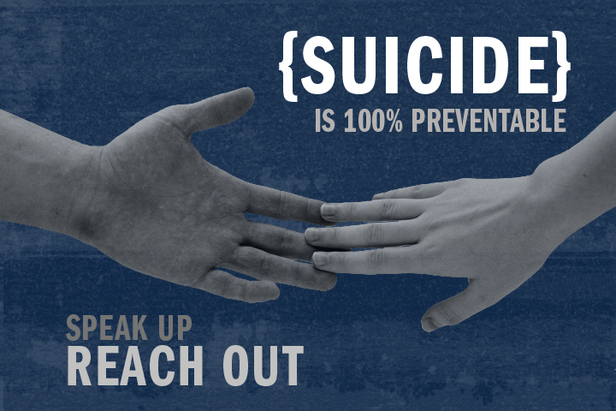
Suicide and College Students
- 1,100 college students commit suicide each year; however, approximately 4,300 young adults between the ages of 15 and 24 commit suicide each year in the U.S.
- Suicide is the second leading cause of death among college students and the third leading cause of death among all youth 15–24 years old. In the U.S., only accidents and homicides claim more young lives.
- About every 15 minutes someone in the United States dies by suicide.
- 90% of people who die by suicide have a diagnosable and treatable psychiatric disorder at the time of their death.
- Suicide contributes nearly $100,000,000.00 each year in health care costs
What Are The Warning Signs
(American Association for Suicidology)
How do you Remember the Warning Signs of Suicide?
Here’s an Easy-to-Remember Mnemonic:
IS PATH WARM?
I Ideation
S Substance Abuse
P Purposelessness
A Anxiety
T Trapped
H Hopelessness
W Withdrawal
A Anger
R Recklessness
M Mood Changes
A person in acute risk for suicidal behavior most often will show:
Warning Signs of Acute Risk:
- Threatening to hurt or kill him or herself, or talking of wanting to hurt or kill him/herself; and/or,
- Looking for ways to kill him/herself by seeking access to firearms, available pills, or other means; and/or,
- Talking or writing about death, dying or suicide, when these actions are out of the ordinary.
Additional Warning Signs:
- Increased substance (alcohol or drug) use
- No reason for living; no sense of purpose in life
- Anxiety, agitation, unable to sleep or sleeping all the time
- Feeling trapped - like there’s no way out
- Hopelessness
- Withdrawal from friends, family and society
- Rage, uncontrolled anger, seeking revenge
- Acting reckless or engaging in risky activities, seemingly without thinking
- Dramatic mood changes.
What Can You Do?
Get Involved!
Get involved with Active Minds or other related organizations. Suicide prevention is one of Active Minds at UNH's main commitments, and we always welcome new members to join us, and help us spread education across the UNH campus and reach the people who want and need the information.
American Foundation for Suicide Prevention Out of the Darkness Walk
The video below highlights the 2010 18 mile long Out of the Darkness Walk in Boston, MA; in which two members from Active Minds at UNH, Janet Mesh and Kevin Cannon, participated in.
Be a Friend!
It can be difficult to discuss this topic with friends, family members, co-workers, an classmates, but if you believe that someone you know may be at risk for suicide, do not be afraid to reach out to a professional at the Counseling center or other mental health professionals, and ask them about what you can do to help a friend in need. Many people say they are afraid to tell someone about their friends suicidal behavior because they don't want them to get mad or push them away, but a mad friend is better than a dead friend.
Spread Hope
Smile at everyone you pass on your way to class, at work, or even in a store. Have an open mind to every individual's uniqueness and love them genuinely for who they are. Sometimes we may never know what Impact we'll have on another person's life, but what we do know is that a simple smile and small talk could potentially save the life of a person. Start your day with the goal to smile and be friendly with every person you come in contact with, and you just might be able to consider yourself a lifesaver.

Through Half of Us, mtvU and The Jed Foundation
want to initiate a public dialogue to raise awareness about the
prevalence of mental health issues and connect students to the
appropriate resources to get help. In planning for the campaign, mtvU
conducted extensive research on how stress and depression are affecting
young people nationwide. Please click here to download and executive summary of the 2006 “mtvU College Mental Health Study: Stress, Depression, Stigma & Students.”